
💧How Fast Does a Well Refill? Here’s What to Know

Mike Martin brings hands-on installation experience and helps validate the real-world setup and serviceability of the systems we cover.
✅ Quick Answer: There is no standard well refill time. A well may recover in minutes, hours, or longer depending on the aquifer, water level, well construction, and how quickly water was pumped out. A well yield and recovery test is the only reliable way to measure yours.
🔑 Key Findings
- Five gallons per minute is not a universal recharge rate. It is often used as a reference point for household well output.
- A well can temporarily run low without being permanently dry. Water may return after pumping stops and the water level rises above the pump intake.
- Low flow does not always mean slow groundwater recovery. A clogged filter, pressure-tank problem, worn pump, or blocked well screen can produce similar symptoms.
- Resting the well reduces demand. It does not repair a blockage or make the aquifer recharge faster.
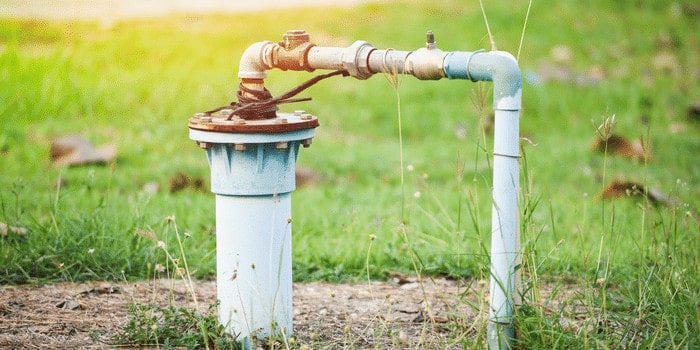
💧 How Much Water Should a Well Provide?
A well needs to supply enough water for the home without drawing the water level below the pump intake. The number that matters is not simply how fast the pump can move water. It is how much water the well can provide and recover over time.
The U.S. Geological Survey notes that a domestic supply of about 5 gallons per minute is usually adequate. Some wells provide only 1 or 2 GPM and still serve a home by relying on water stored in the well or an additional storage tank.
That is why multiplying 5 GPM by the number of minutes in a day can be misleading. Pump capacity, well yield, stored water, and recovery rate are related, but they are not interchangeable.
| Term | What it tells you |
|---|---|
| Static water level | The water level before pumping begins. |
| Pumping water level | The water level while the pump is running. |
| Drawdown | How far the water level falls during pumping. |
| Well yield | How much water the well can provide over a set period. |
| Recovery rate | How quickly the water level rises after pumping slows or stops. |
| Household flow | What reaches the fixtures after the pump, pressure system, pipes, and filters. |
💡 Useful distinction: A strong pump cannot make a low-yield aquifer supply water faster. It may simply draw the well down sooner.
🔁 How Do Wells Refill?

Most private wells draw groundwater from an aquifer. An aquifer is not an underground lake. It is a layer of saturated rock, sand, gravel, or other material that stores and transmits water through pores and fractures.
When the pump runs, the water level near the well drops. Groundwater then moves toward the well from the surrounding aquifer. If pumping removes water faster than it arrives, the level continues to fall. After pumping stops, the level can rise again.
Rain and snowmelt can eventually recharge groundwater, but a rainstorm does not necessarily refill a well right away. Water must move through the soil and geology before it reaches the aquifer, and the timing varies by location.
🔗 New to private wells? See how a well and pressure system work together.
⏳ What Affects How Quickly a Well Bounces Back?
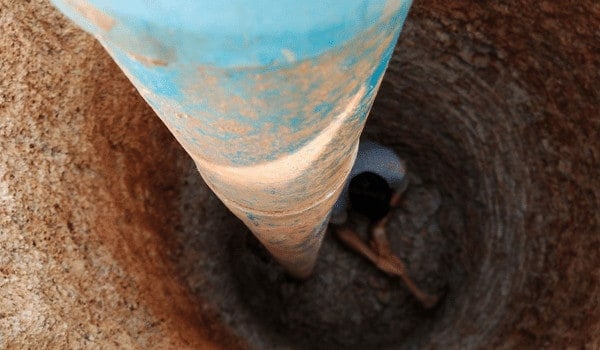
Two wells on the same road can recover differently. The answer depends on the aquifer and the well built into it.
- Geology: Water moves more readily through some sand, gravel, and fractured rock than through less permeable material.
- Available water above the pump: A well with more stored water can handle a short demand spike before the level reaches the intake.
- Pumping rate: A pump that removes water faster than the well produces it can create rapid drawdown.
- Season and groundwater level: Drought and seasonal changes may lower the water table, but the response is specific to the local aquifer.
- Well construction and condition: Depth, diameter, open interval, screen condition, and sediment buildup can affect usable supply.
- Nearby pumping: Other wells drawing from the same aquifer can influence local water levels. The effect depends on distance and groundwater conditions.
🧪 What we’ve seen: During a high-demand outdoor event, an inflatable water slide drew from a private well until the water stopped. The supply took about 24 hours to recover, and the clogged pump ultimately had to be replaced.
That experience matters because “the well ran dry” did not describe the whole problem. Heavy drawdown, sediment, and pump trouble happened together. Waiting allowed water to return, but it could not fix the damaged equipment.
🚨 Well Refilling Too Slowly? Here’s What to Check

Start by separating a temporary loss of water from a household flow restriction. The pattern usually tells you more than a single weak faucet.
| What you notice | What it may point to |
|---|---|
| Water returns after the well rests following heavy use | Temporary drawdown or a low-yield well |
| Weak flow at every fixture all the time | Clogged filter, partly closed valve, pipe restriction, or pump problem |
| Pump switches on and off rapidly | Pressure-tank, pressure-switch, or system-sizing problem |
| Pump runs but no water reaches the home | Water below the intake, loss of prime, failed pump, or another well-system fault |
| Cloudy or sediment-heavy water after high demand | Disturbance in the well, sediment entry, or a pump drawing near the bottom |
These are diagnostic clues, not proof. Several problems can create the same symptom.
🔍 Start with the Easy Stuff
- Stop high-demand water use. Turn off irrigation, pool filling, pressure washing, and back-to-back appliances.
- Protect the pump. If it is running without delivering water, switch it off rather than letting it continue dry.
- Check the simple controls. Look at the breaker, pressure gauge, shutoff valves, and visible plumbing for an obvious fault or leak.
- Note the recovery pattern. Record how long the well rests, when water returns, and how quickly pressure falls again.
- Ask nearby well owners. Similar trouble can suggest a broader groundwater issue, although it does not confirm one.
🛠️ Maintenance Can Go a Long Way
A dirty whole-house filter can reduce flow throughout the home even when the well has plenty of water. Check the housing and pressure readings, and replace the cartridge if it is due. Our guide explains why a well-water filter may clog quickly.
The pressure tank and pump controls also deserve attention. Rapid cycling, unstable pressure, or a pump that runs continuously can point to equipment rather than groundwater recovery. See the common signs that affect how long a well pump lasts.
If the problem repeats, a well professional can measure static level, pumping level, drawdown, yield, and recovery. Those measurements are far more useful than estimating a refill time from well depth alone.
🔎 How to Know if Your Well’s Running Dry
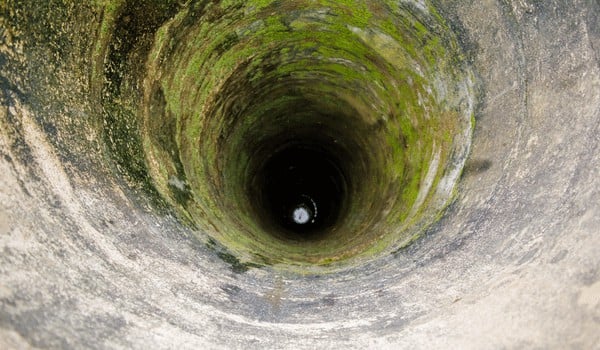
A well is considered dry when the water level falls below the pump intake. That may be temporary or persistent. The following signs justify investigation, but none proves the aquifer is empty:
- Air sputtering from faucets: Air may be entering the water line, but plumbing and pressure-tank faults can do this too.
- Water stops during heavy use and returns after resting: The pump may be drawing the water level below its intake.
- Cloudy, sandy, or discolored water: Heavy pumping may disturb sediment or change what the pump draws. See what can cause brown well water.
- A pump that runs without building pressure: The water level may be low, or the pump and delivery system may have failed.
- The problem worsens during dry periods: A falling seasonal water table may be reducing the available water above the intake.
After a low-water or sediment event, test the water if its appearance, taste, or odor changes. Do not assume clear water is safe based on appearance alone.
❓ Frequently Asked Questions

How long does it take for a well to refill after filling a pool?
There is no dependable estimate without knowing the well’s yield, stored water, drawdown, and recovery rate. A pool or water slide can demand water faster than a low-yield well replaces it. Use delivered water or fill in stages if the well’s capacity is unknown.
Are deeper wells less likely to run dry?
Not automatically. A deeper well may have more water above the pump or reach a different aquifer, but depth alone does not determine yield or drought resistance. Local geology, pump placement, construction, and groundwater level all matter.
How long does it take a well to recover after a drought?
Recovery may take days, weeks, a season, or longer depending on the aquifer and later recharge. A few storms do not guarantee an immediate rise at the well.
What should I do if my well stops producing water?
Stop high-demand use and switch off a pump that is running without building pressure. Check the breaker, gauge, valves, and filter for simple faults. If water does not return or the problem repeats, have the well and pumping system tested.
Can I help my well recover faster?
You can reduce demand by spacing out laundry, irrigation, showers, and other heavy uses. This gives the water level time to recover between pumping cycles, but it does not increase the aquifer’s natural recharge rate.
The Bottom Line
A well does not have a universal refill clock. If water returns after a rest, temporary drawdown may be part of the problem. If low flow persists, check the filter, pressure system, pump, and well condition before blaming the aquifer.
The most useful answer comes from a yield and recovery test. It shows how the well behaves under demand and whether the fix is water-use management, added storage, equipment service, or work on the well itself.