


A private well works by pulling groundwater from an underground aquifer with a pump, then sending that water into a pressure tank so it can flow through your home at steady pressure.
In most homes, the system has a few core parts working together: the well itself, the pump, the pressure tank, and the plumbing or treatment equipment connected after it. If you want the simple version, groundwater enters the well, the pump moves it up, the pressure tank stores and regulates it, and your fixtures draw from that pressurized supply whenever you turn on a tap.
⚡ Quick Takeaway
- 🚰 A well pulls groundwater from an underground aquifer
- 🔧 A pump moves that water from the well to your home
- 💨 A pressure tank stores water and helps keep pressure steady
- 🧩 Most well systems rely on the well, pump, pressure tank, casing, and screen
- 🧪 Annual testing and routine inspections help keep the system safe and reliable
⚙️ How Does a Well Work?
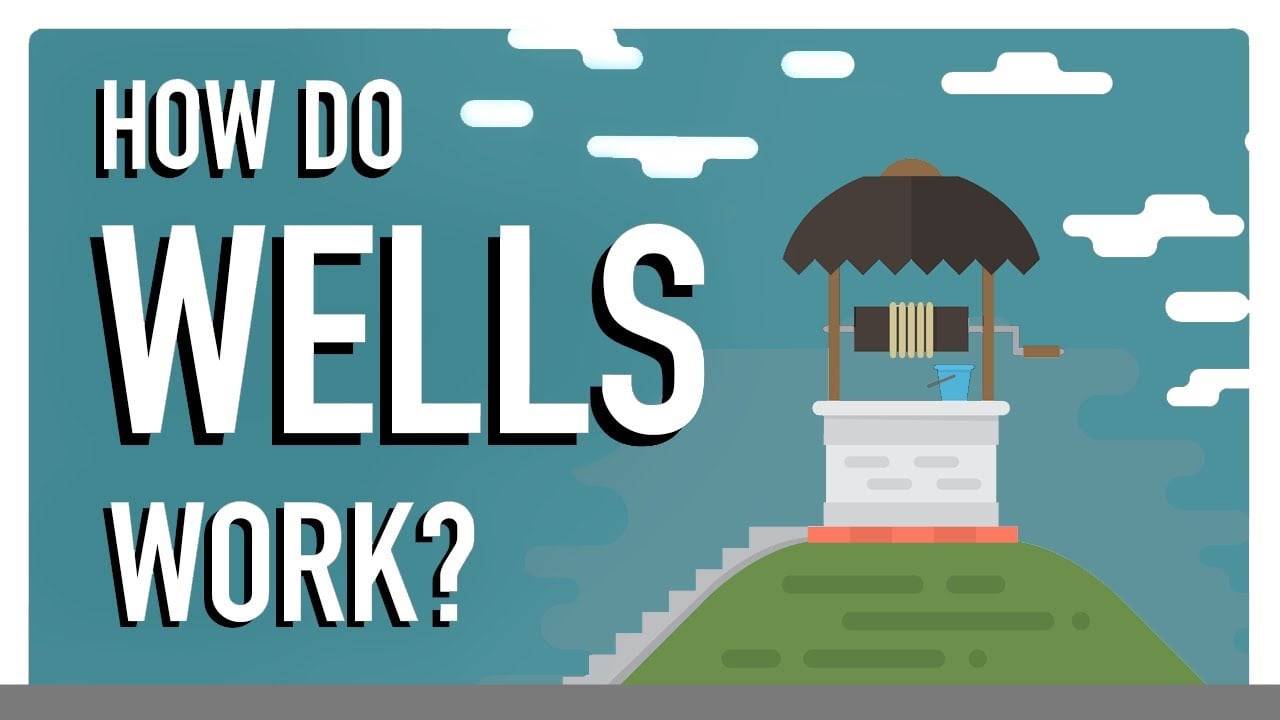
Private wells tap into groundwater stored below the surface in rock, sand, gravel, or soil. This underground water supply is called an aquifer. As rain and snow soak into the ground, that water slowly refills the aquifer over time.
When your home needs water, the well pump moves groundwater up through the well and into a pressure tank. From there, the tank helps maintain steady pressure so water can flow to your faucets, showers, toilets, and appliances without the pump turning on every few seconds.
Here’s the basic path:
- Groundwater collects in the aquifer
- The well provides a path to reach that water
- The pump moves water up from the well
- The pressure tank stores water and stabilizes pressure
- Water flows through your plumbing and any treatment equipment before reaching your taps
That’s what makes a private well feel a lot like city water in daily use. The difference is that your house is relying on its own pump-and-tank system instead of a municipal water main.
🧩 Main Parts of a Well System
Most residential well systems rely on the same core components working together behind the scenes.
| Component | What It Does |
|---|---|
| 🛠️ The Well | The drilled shaft that reaches groundwater underground. |
| 🔌 The Pump | Moves water from the aquifer up into your home’s plumbing system. |
| 💨 Pressure Tank | Stores water under pressure and helps deliver steady flow through the home. |
| 🧱 Well Casing | Lines the well to help prevent collapse and block out soil, runoff, and contaminants. |
| 🛡️ Well Screen | Helps keep sand, silt, and debris out of the system near the bottom of the well. |
| 🚿 Plumbing / Treatment Equipment | Carries water into the home and through any filters, softeners, or UV systems installed after the tank. |
💡 Good to Know: If one part of the system fails — especially the pump, pressure tank, casing, or well cap — you can end up with weak pressure, sediment problems, or water quality issues.
💨 What Does a Well Pressure Tank Do?
The pressure tank stores water under pressure so your pump does not have to turn on every single time you open a faucet. It helps keep water pressure steady, reduces pump wear, and makes the system feel more like city water.
As water leaves the tank, pressure gradually drops. Once it reaches the lower pressure setting, the pump turns on and refills the tank. When pressure reaches the upper setting, the pump shuts off again.
That on-and-off cycle is what keeps water moving through the house without forcing the pump to run nonstop.
- Without a pressure tank: the pump would short-cycle constantly
- With a healthy pressure tank: water pressure stays steadier and the pump lasts longer
- If the tank has problems: you may notice sputtering faucets, rapid pump cycling, or weak pressure
⚙️ Well Pump Options
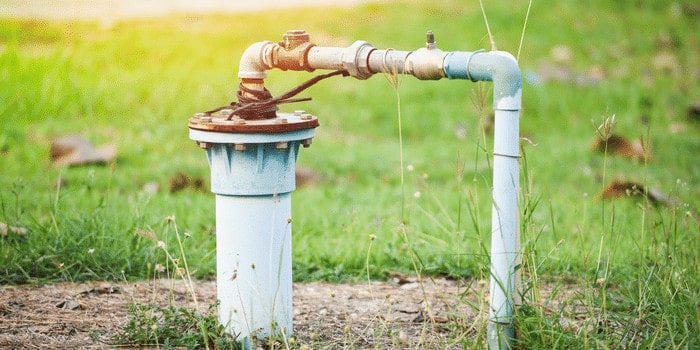
Your well can’t do its job without a pump. This is the part that actually moves water from underground into the home.
| Pump Type | How It Works |
|---|---|
| 🔋 Submersible Pump | Sits down inside the well and pushes water upward. Best for deeper wells and the most common option in modern systems. |
| 💨 Jet Pump | Usually mounted above ground and uses suction to draw water upward. More common on shallow wells. |
💡 Quick Tip: If you have a deep drilled well, you probably have a submersible pump. If the pump is visible near the pressure tank, it’s more likely a jet pump.
🛠️ Types of Wells

Not all wells are built the same. The type of well depends on local geology, groundwater depth, and how the well was installed.
| Well Type | How It Works |
|---|---|
| 🔩 Drilled Well | Bored deep into rock or soil with drilling equipment. Usually the most durable and the least vulnerable to surface contamination. |
| 🪣 Dug Well | Wide and shallow, usually found on older properties. More exposed to runoff and contamination near the surface. |
| 🔧 Driven Well | Installed by driving a narrow pipe into the ground. Usually shallower than drilled wells and more limited in where they work well. |
In most cases, deeper drilled wells are more reliable and better protected than shallow dug or driven wells — but local conditions still matter.
🚰 Well Water vs. City Water

Well water and city water reach your home in very different ways. City water comes from a municipal treatment system. Well water comes from your own underground water supply and depends on your pump, pressure tank, and well construction.
Well water gives you more control, but it also makes you responsible for testing, treatment, and maintenance. City water is treated and disinfected before it reaches the home, but you have less control over how it is processed.
- 🧪 Well water can contain naturally occurring minerals like iron, manganese, or arsenic
- 🧫 Bacteria and nitrates can enter a poorly protected or damaged well system
- 🏠 City water usually arrives with more consistent treatment, but not always with fewer taste or odor complaints
💡 Pro Tip: A properly built well with regular testing and the right treatment setup can provide excellent water — but it is not a system you should ignore for years at a time.
🧫 How Contamination Happens

Even clean-looking well water can have problems. Contaminants often enter through runoff, poor construction, flood exposure, or aging system parts.
| 🛑 Source | 💧 How It Can Impact Your Well |
|---|---|
| 🌾 Runoff from yards, farms, or roads | Can carry pesticides, fertilizers, oil, and other pollutants toward the well area. |
| ⚠️ Cracks in the casing or seal | Can let in bacteria, nitrates, sediment, and other contaminants from surrounding soil. |
| 🚽 Nearby septic systems | Leaky or failing systems can introduce bacteria and nitrates into groundwater. |
| 🌧️ Flood-prone conditions | Floodwater can overwhelm shallow wells and bring in surface contamination. |
🔍 If your well tested positive for bacteria, the cause may be something structural like runoff, a poor seal, or casing damage — not just “bad water.”
🧠 Pro Tip: Some of the most serious contaminants — including arsenic, lead, and bacteria — are completely invisible. That’s why well water testing is essential, even when the water looks fine.
🚩 Signs of Water Quality Issues

If something seems off with your water, don’t ignore it. Changes in smell, taste, color, or pressure can all point to a system or water-quality issue.
- 👃 Strange smells – Sulfur odor may point to hydrogen sulfide or iron bacteria
- 👅 Off taste – Metallic or bitter taste can point to mineral-related issues
- 👁️🗨️ Discoloration – Cloudy, orange, or brown water may point to sediment, iron, or corrosion
- 🤒 Recurring stomach issues – In some cases, untreated bacterial contamination may be involved
🧠 Pro Tip: Many serious well-water contaminants have no visible warning signs. Testing is still the only way to know what’s actually in your water.
🛡️ Keeping Contaminants Out

Keeping your well water clean starts with protecting the system itself, not just adding filters afterward.
🏡 For New Wells
- Choose the right location. Avoid low areas where runoff collects.
- Keep proper separation. Maintain safe distance from septic systems, fuel storage, and livestock areas.
- Use local knowledge. A licensed driller and local health department can help identify regional risks before drilling.
🧰 For Existing Wells
- Inspect the system periodically. Damage to the casing, cap, or seals can let contaminants in.
- Replace damaged well caps. A loose or broken cap is an easy entry point for debris and bacteria.
- Keep the wellhead area clean. Fertilizer, chemicals, and even fuel cans should stay away from the well opening.
💡 Pro Tip: A well-built system is only part of the equation. Regular testing is what confirms the water is still safe.
💧 Can Your Well Run Dry?
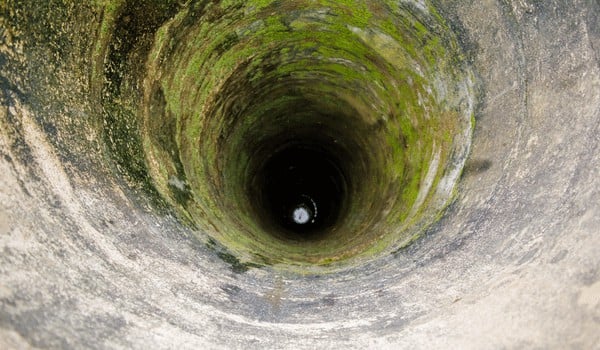
Yes — especially if the well is shallow, over-pumped, or affected by drought conditions.
Warning signs can include:
- Sudden pressure drops
- Muddy or murky water
- Air sputtering from faucets
If your well no longer produces enough water, the cause may be seasonal recharge, pump depth, or overall well yield. In more serious cases, the solution may involve deepening the well or drilling a new one.
🔍 For more context, see how deep a well should be.
💸 New Well Costs

Drilling a new well can range widely in cost depending on depth, geology, equipment, and location.
- How deep the well needs to be
- Soil and rock conditions
- Whether you are replacing an older system or starting from scratch
- What equipment is needed, including the pump, pressure tank, and treatment equipment
In general, deeper wells cost more up front but are often more dependable during dry periods.
🧼 Fixing Dirty Water

If your well water suddenly turns cloudy, rusty, or foul-smelling, the cause may be anything from sediment buildup to bacterial contamination to a failing system component.
Start with the basics:
- Check for sediment or pressure changes
- Test the water before buying treatment equipment
- Match the treatment to the actual problem
If the issue affects the whole house, a properly sized well-water filtration system is often the better long-term fix than treating a single tap.
💡 Good to Know: Whole-house treatment equipment is usually installed after the pressure tank so it can treat water before it enters the rest of the home’s plumbing.
💭 Final Thoughts
A private well system is simple once you understand the flow: groundwater enters the well, the pump moves it up, the pressure tank regulates delivery, and your plumbing carries it through the home.
That does not mean it is maintenance-free. Regular testing, occasional inspections, and attention to changes in pressure or water quality go a long way toward preventing bigger problems.
If you own a home with a well, understanding how the system works makes it much easier to spot problems early and make smarter decisions about maintenance, testing, and treatment.