


The right whole-house filter cartridge depends on what you are trying to remove. Sediment, chlorine, lead, sulfur, and hard water do not point to the same cartridge, and choosing the wrong one can waste money, reduce flow, or solve only part of the problem.
For most homes, the real cartridge questions are simpler than they sound: do you need sediment or carbon first, what micron rating makes sense, and should you use a standard 10-inch filter or move up to a larger 20-inch housing?
This guide breaks down the cartridge types that matter most, what micron ratings actually mean, and when a cartridge system is the right tool — or the wrong one.
✅ Quick Takeaways
- 🧱 Sediment cartridges are for dirt, rust, silt, and visible debris
- 🧲 Carbon cartridges are for chlorine, odor, taste, and broad chemical cleanup
- 🔬 Micron rating affects both filtration level and pressure drop
- 📦 Bigger cartridges usually last longer and flow better in whole-house setups
- ⚠️ Cartridge systems are not always the best fit for heavy iron, sulfur, or high-load treatment
🔎 Match the Cartridge to the Problem
| If Your Main Problem Is… | Better Starting Point | Why |
|---|---|---|
| Rust, sand, or cloudy water | Sediment cartridge | Captures visible particles before they clog the rest of the system |
| Chlorine taste or shower odor | Carbon block or GAC cartridge | Targets chlorine, odor, and general city-water cleanup |
| Chloramine | Catalytic carbon cartridge | Usually stronger than standard carbon for chloramine treatment |
| Lead or higher-concern drinking water contaminants | Specialty cartridge or under-sink RO | Whole-house cartridges are not always the sharpest tool for one-tap precision treatment |
| Heavy iron or sulfur | Usually not a basic cartridge setup | Often calls for specialty well-water treatment or oxidation-based systems |
| Hard water scale | Softener or conditioner discussion | That is usually not a standard cartridge problem |
💡 The Main Cartridge Types That Matter
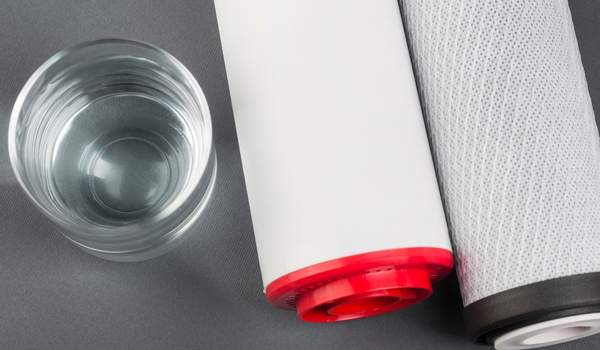
Not every filter cartridge works the same way. Some physically block particles. Others use media that adsorb or react with contaminants as water passes through.
| 🔍 Cartridge Type | 🎯 What It’s Usually For | 💡 Best Use |
|---|---|---|
| 🧱 Sediment | Dirt, rust, sand, silt | First stage in many whole-house systems |
| 🧲 Carbon | Chlorine, odor, taste, some VOCs | Common city-water treatment |
| 🧪 Catalytic Carbon | Chloramine and tougher odor issues | Better fit when standard carbon is not enough |
| ⚗️ KDF Blends | Chlorine and certain heavy-metal applications | Usually paired with carbon, not used as a catch-all answer |
| 💎 Activated Alumina | Fluoride and arsenic | Specialty treatment, often not a general whole-house default |
🧱 Sediment Cartridges
Sediment cartridges are there to catch visible particles before those particles move deeper into the home or clog downstream stages.
The two most common styles are pleated and depth-style filters.
🔁 Pleated Filters
- Usually better for larger visible particles
- Often support stronger flow
- Sometimes washable, depending on the design
- Good when you want a first-stage particle screen without getting too fine too fast
🌀 Depth Filters
- Usually trap particles throughout the body of the cartridge
- Often chosen when finer sediment reduction is needed
- Can load up faster than coarser pleated options
- Often a better protective stage ahead of finer downstream treatment
🧪 Helpful Note: For many whole-house systems, sediment comes first because it protects the more expensive carbon or specialty stages behind it.
🧲 Carbon Cartridges
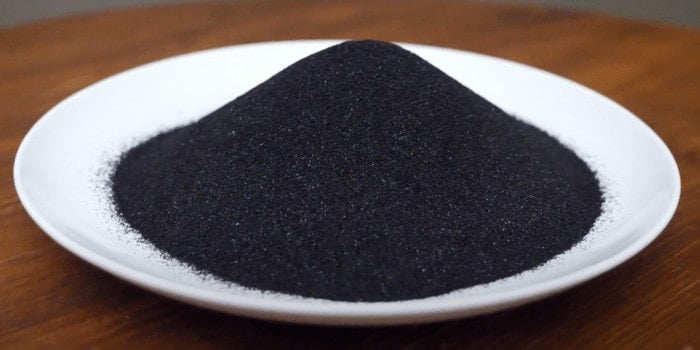
Carbon cartridges are usually the go-to choice for chlorine, odor, taste, and broad chemical cleanup in city-water homes.
The main cartridge styles are:
- GAC (Granular Activated Carbon): Lower restriction, often used for taste and odor improvement
- Carbon Block: Denser structure, often better for more serious reduction work
- Catalytic Carbon: Usually the stronger choice for chloramine and harder odor issues
💡 Good to Know: Carbon is strong on chlorine and smell, but it is not the right standalone answer for every contaminant. Heavy iron, hard water, or more specialized treatment needs usually point somewhere else.
⚗️ Specialty Cartridges
Some cartridges are designed for narrower jobs rather than broad whole-house cleanup.
- KDF blends: Often used alongside carbon in certain chlorine or heavy-metal applications
- Activated alumina: More relevant when fluoride or arsenic is the main concern
- Specialty lead or reduction cartridges: Often make more sense closer to the tap when precision matters most
⚠️ Key point: Once you move into specialty contaminant treatment, a generic whole-house cartridge setup is not always the best answer.
📏 What Micron Rating Should You Use?

A micron rating tells you how fine a filter is. Lower numbers usually mean tighter filtration, but they can also mean shorter life and more pressure drop if the cartridge is undersized.
| 🧪 Micron Rating | 🔍 Better For | 📌 General Use |
|---|---|---|
| 50+ micron | Large visible debris | Coarse prefiltration |
| 25 micron | General grit and sediment | Basic first-stage filtration |
| 5 micron | Most common whole-house sediment work | Strong balance of filtration and flow |
| 1 micron | Finer sediment and tighter filtration | Better when the water really needs it, but more restrictive |
💡 Practical rule: For many whole-house homes, 5 microns is a strong starting point. Going finer too early can create more maintenance and pressure loss than you actually need.
Nominal vs. absolute matters too. A nominal rating usually means the filter captures most particles around that size. An absolute rating is much tighter. That difference matters more when the target is high-concern reduction than when you are just screening sediment.
⚠️ What People Get Wrong About Microns
- Smaller is not always better in a whole-house setup
- A 1-micron cartridge can load up much faster than a coarser prefilter
- If the housing is too small, a fine filter can become annoying fast
- The right micron rating depends on the problem, not just the lowest number on the box
📦 What Cartridge Size Makes Sense?
When people talk about cartridge size, they usually mean three things: physical dimensions, service life, and how much flow the cartridge can support.
| 📐 Cartridge Size | 🏠 Best Fit | 💡 What to Expect |
|---|---|---|
| 2.5″ x 10″ | Small homes or light-use setups | Cheaper up front, but shorter service life |
| 2.5″ x 20″ | Moderate-use homes | Longer life than a 10-inch cartridge in the same width |
| 4.5″ x 10″ | Homes that need better flow with a larger body | Often a noticeable step up from standard-width housings |
| 4.5″ x 20″ | Larger homes or higher-demand whole-house systems | Better flow, longer service intervals, and less nuisance replacement |
💬 Pro Tip: If the house has multiple bathrooms or higher water use, moving up to a larger cartridge size often makes more sense than trying to force a small housing to do a big job.
🆚 When Cartridge Filters Make Sense — and When They Don’t

| Cartridge Filters Make Sense If… | A Tank or Backwash System May Be Better If… |
|---|---|
| You want a simpler install and lower upfront cost | You want less hands-on maintenance over time |
| Your main concerns are sediment or chlorine | You are dealing with heavier whole-house treatment demands |
| Your house has modest flow needs | Your home has higher water demand and stronger plumbing support |
| You want easy cartridge swaps and flexible staging | You are trying to avoid frequent replacements |
💡 Helpful Note: Cartridge systems are not inferior. They are just a different ownership style. The mistake is using a small cartridge setup for a job that really calls for a larger tank or backwashing system.
🛒 How to Choose the Right Whole-House Cartridge Setup

- Start with a water test. Testing tells you whether you are dealing with sediment, chlorine, odor, or something more specialized.
- Use sediment first when the water is dirty. Protect the rest of the system before moving into carbon or specialty stages.
- Do not chase the smallest micron number automatically. Match the micron rating to the actual problem.
- Size the housing for the house. A higher-demand home usually benefits from a larger cartridge body and longer service life.
- Know when cartridges are the wrong tool. Heavy iron, sulfur, or broader high-load treatment may point toward something other than a simple cartridge setup.
🧪 Pro Tip: If you are not sure what is actually in your water, the best first step is getting it tested. That will save you more money than guessing at cartridge types and swapping parts later.
📌 Final Thoughts
The best whole-house filter cartridge is the one that matches the actual job. For many homes, that means a sediment stage up front, carbon where city-water cleanup is needed, and a cartridge size large enough to avoid constant replacement headaches.
If you choose the wrong micron rating, wrong size, or wrong cartridge type, the system may still run — but it may not solve the real problem very well. Test first, size for the house, and match the cartridge to the water issue you are actually trying to fix.