


✅ Quick answer: Hard water contains more dissolved calcium and magnesium. Soft water contains very little. Neither one is automatically cleaner or safer, but soft water is easier on plumbing, appliances, dishes, and soap.
Hard water leaves scale because calcium and magnesium come out of solution on fixtures and inside heated appliances.
Soft water avoids that buildup. It can be naturally low in hardness or made soft by running hard water through an ion-exchange softener.
👉 The important distinction: Water hardness tells you about two minerals. It doesn’t tell you whether the water contains chlorine, lead, PFAS, bacteria, or anything else.
Hard water vs. soft water at a glance
- Minerals: Hard water has more calcium and magnesium. Soft water has very little.
- Scale: Hard water leaves mineral deposits. Soft water doesn’t create normal hardness scale.
- Soap: Hard water reacts with soap and forms residue. Soap lathers more easily in soft water.
- Appliances: Hardness can cake heating elements and narrow water passages. Soft water prevents that mineral buildup.
- Drinking: Either can be acceptable. Hardness isn’t a substitute for contaminant testing.
- Treatment: A true softener removes hardness through ion exchange. A standard water filter doesn’t.
What makes water hard or soft?

Water picks up calcium and magnesium as it moves through soil and mineral-rich rock. Groundwater passing through limestone or dolomite often becomes hard before it reaches a well.
Water from another source may contain far less of those minerals. That water is already soft or moderately hard without any treatment inside the home.
A salt-based softener creates a third condition: softened water. Resin inside the tank swaps calcium and magnesium for sodium or potassium ions.
Naturally low-hardness water and ion-exchange-softened water can produce similar hardness readings. Their overall chemistry won’t necessarily be the same.
Hardness is reported as milligrams per liter of calcium carbonate or grains per gallon. One grain per gallon equals about 17.1 mg/L.
- 0–3.5 GPG: Soft
- 3.6–7 GPG: Moderately hard
- 7.1–10.5 GPG: Hard
- More than 10.5 GPG: Very hard
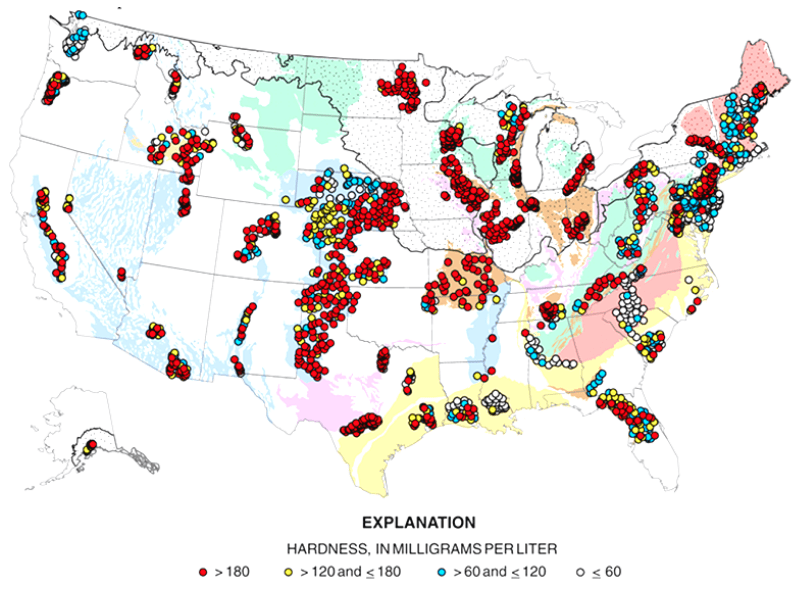
Our test results: low-hardness, hard, and softened water
We’ve tested water from homes with very different source chemistry. These results show why “soft water” doesn’t describe one universal mineral profile.
New Hampshire municipal water
- Household softener: None
- Hardness: 18.76 ppm
- GPG: About 1.1
- Calcium: 5.39 ppm
- Magnesium: 1.2 ppm
- TDS: 187.2 ppm
Central Florida well water
- Condition: Untreated
- Hardness: 310 ppm
- GPG: About 18
- Calcium: 72 ppm
- Magnesium: 24 ppm
- TDS: 340 ppm
Florida water after softening
- System: Whirlpool WHES40E
- Hardness: 28 ppm
- GPG: About 1.6
- Calcium: 5 ppm
- Magnesium: 2 ppm
- TDS: 350 ppm
The New Hampshire water was already soft without a household softener. The Florida well water became soft only after ion exchange pulled out most of its calcium and magnesium.
The Florida TDS reading stayed nearly the same. That’s the clearest reason not to use a TDS meter as a hardness test.
View the New Hampshire baseline report (PDF)
Test note: These samples represent specific homes and dates. Water chemistry and softener performance vary by source, sizing, settings, and operating conditions.
Which is better for your home?

Plumbing and appliances: Soft water
Hardness scale forms fastest where water is heated or evaporates. Water heaters, dishwashers, coffee makers, showerheads, and faucet aerators take the worst of it.
Soft water prevents normal calcium-carbonate scale because the hardness minerals have already been removed.
Laundry and cleaning: Soft water
Calcium reacts with soap and forms an insoluble residue. That means weaker lather, more detergent, spotted glassware, and film on tubs and shower doors.
Soap works more efficiently in soft water. If it feels slippery at first, use less product before assuming the soap won’t rinse away.
Skin and hair: Mostly a soap-residue question

Hard water can leave soap and mineral residue on skin and hair. Some people notice a tighter skin feel, duller hair, or more product buildup.
Softening may improve lather and reduce that residue. It isn’t a medical treatment, and it won’t fix irritation caused by chlorine, a product allergy, or another water-quality problem.
Drinking: Neither one wins automatically
Hard water contributes some calcium and magnesium. Softened water contains less of those minerals and more sodium or potassium from the exchange process.
The amount added depends on the incoming hardness and how the softener is configured. Taste is mostly personal.
On a sodium-restricted diet? The added sodium is small and scales with your incoming hardness, but you can run potassium chloride in the softener instead, or keep an unsoftened or reverse-osmosis tap for drinking and cooking.
Neither condition proves the water is safe. Lead, nitrate, arsenic, PFAS, bacteria, and disinfection byproducts require their own tests.
Three hard-water myths worth clearing up
A TDS meter tells you if water is hard
It doesn’t. Total dissolved solids includes every dissolved ion the meter can detect indirectly, not just calcium and magnesium.
Use a hardness strip, drop-count titration kit, or laboratory analysis when hardness is the question.
Salt-free conditioning creates soft water
Salt-free media may change how minerals form scale, but the calcium and magnesium remain in the water. That’s conditioning, not softening.
A shower filter removes hardness
Most shower filters target chlorine or sediment. They don’t have the resin volume or regeneration system needed to soften a home’s water supply.
Our guide to whether whole-house filters soften water explains the same media limitation at the main line.
How to find out if your water is hard
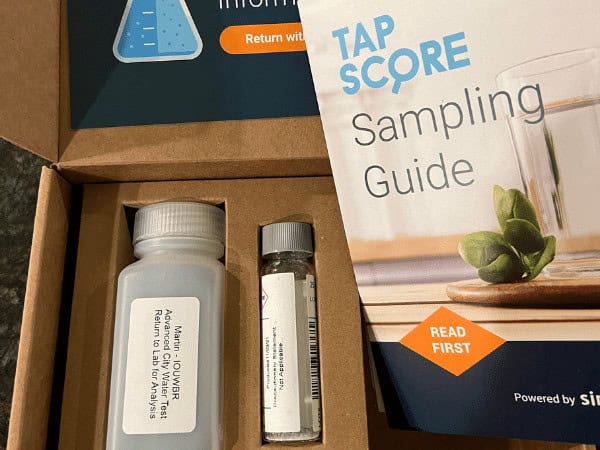
- Check the water report. City utilities often publish hardness, although it may vary across the distribution system.
- Use a hardness-specific test. Strips give a quick range, while drop-count kits provide a better GPG estimate.
- Use a laboratory when more is going on. Well owners or homes with staining, odor, sediment, or health concerns need more than a hardness number.
- Test the raw water. Sample before the softener when you’re sizing equipment or diagnosing the source.
Visit our water-testing guide if you need more than a basic hardness measurement.
What to do with the result
- Below 3.5 GPG: You already have soft water. A household softener usually has no job to do.
- 3.6–7 GPG: Treatment is mostly a preference unless scale or soap residue is causing trouble.
- 7.1–10.5 GPG: A softener becomes easier to justify, especially around water heaters and fixtures.
- Above 10.5 GPG: Expect faster scale accumulation. Size the softener from tested hardness and household demand.
If you’re deciding between treatment categories, start with our water-filter-versus-softener guide.
If hardness is confirmed and you want it removed, compare our recommended water softeners.