


More than 70% of U.S. homes get fluoridated tap water — a practice originally introduced to help fight cavities.
But today, some health experts are raising new concerns, and many people are wondering:
How much fluoride is actually in my water — and is it too much?
Whether you’re on city water or using a private well, it’s a smart idea to find out. In this guide, we’ll break down what fluoride is, where it comes from, how it’s measured, and how to test your water safely at home or through a lab.
📌 Quick Take:
- 🌍 Fluoride naturally occurs in soil and groundwater — and many public systems add a little extra for dental health.
- 🧠 In higher amounts, it might affect things like thyroid balance or enamel in kids — depending on age and exposure.
- 🧪 Testing your water is easy — whether you use a strip, a digital reader, or send a sample to a certified lab, there’s a method for every comfort level.
🌍 What Is Fluoride, Exactly?

Fluoride is a naturally occurring mineral found in: rocks, soil, and groundwater. It forms when the element fluorine — one of the most reactive elements on Earth — combines with other minerals in the environment.
💡 It’s present in almost all water sources to some degree, even without human intervention.
🚰 Why Do We Add Fluoride to Drinking Water?
Since the 1940s, fluoride has been added to public water supplies in many parts of the U.S. to help reduce cavities — especially in children.
🦷 The original idea was straightforward: low levels of fluoride can help strengthen tooth enamel over time.
Today, the practice is still supported by agencies like the CDC and EPA. But not everyone agrees.
In many European countries, water isn’t fluoridated — yet similar reductions in tooth decay have still been observed. That’s sparked renewed debate among scientists, health experts, and families alike.
📌 Bottom line: Fluoride is still widely used in U.S. tap water — but it’s smart to know how much is in yours, especially if you have kids or use a private well.
🌍 Does Well Water Contain Fluoride Naturally?
Yes — fluoride naturally leaches into groundwater in many areas, especially where mineral-rich rock formations are present.
- 📌 In most U.S. regions, natural levels are low. But in places like the Southwest, parts of California, and areas with volcanic rock formations, levels can be significantly higher.
- 💡 Interesting fact: Countries like India, China, and parts of Central America have some of the highest natural fluoride concentrations in the world.
- 💧 If you rely on a well, it’s a good idea to test your water regularly — fluoride can’t be seen, smelled, or tasted.
🧪 Not sure where to start? Here’s a helpful guide to water testing that walks you through your options.
🦷 Does Fluoridated Water Actually Help with Cavities?
Yep — fluoride really can help fight cavities. Studies show it strengthens tooth enamel, making it tougher against acids and decay.
But here’s the thing…
- 📌 While most U.S. cities still fluoridate their water, many European countries don’t — and they’ve still seen similar drops in tooth decay.
- 💡 Some experts think we may have better brushing habits and dental care to thank. Fluoride might help, but it’s probably not doing all the heavy lifting.
📚 Agencies like the CDC, EPA still support adding it to public water — but research into long-term effects is ongoing.
🧠 Is Too Much Fluoride in Water a Health Risk?
A little bit of fluoride? Great for teeth. But when the levels get too high, that’s when questions start popping up.
Lately, researchers have been digging into how too much fluoride might impact more than just your teeth — Here’s what’s raising eyebrows:
⚠️ Dental & Skeletal Fluorosis
For kids under 9, high fluoride levels can cause dental fluorosis — faint white streaks or spots on their teeth. It’s usually cosmetic, but it sticks around for life.
In rare cases with long-term exposure, skeletal fluorosis may develop. That can lead to: stiffness, joint pain, and trouble moving comfortably.
🦋 Thyroid Disruption
Some studies suggest that higher fluoride levels (especially above 2 mg/L) could impact iodine absorption, which your thyroid needs to do its job. That’s raised concerns about possible links to — hypothyroidism, though the research is still evolving.
🧪 What’s the Safe Amount of Fluoride in Drinking Water?
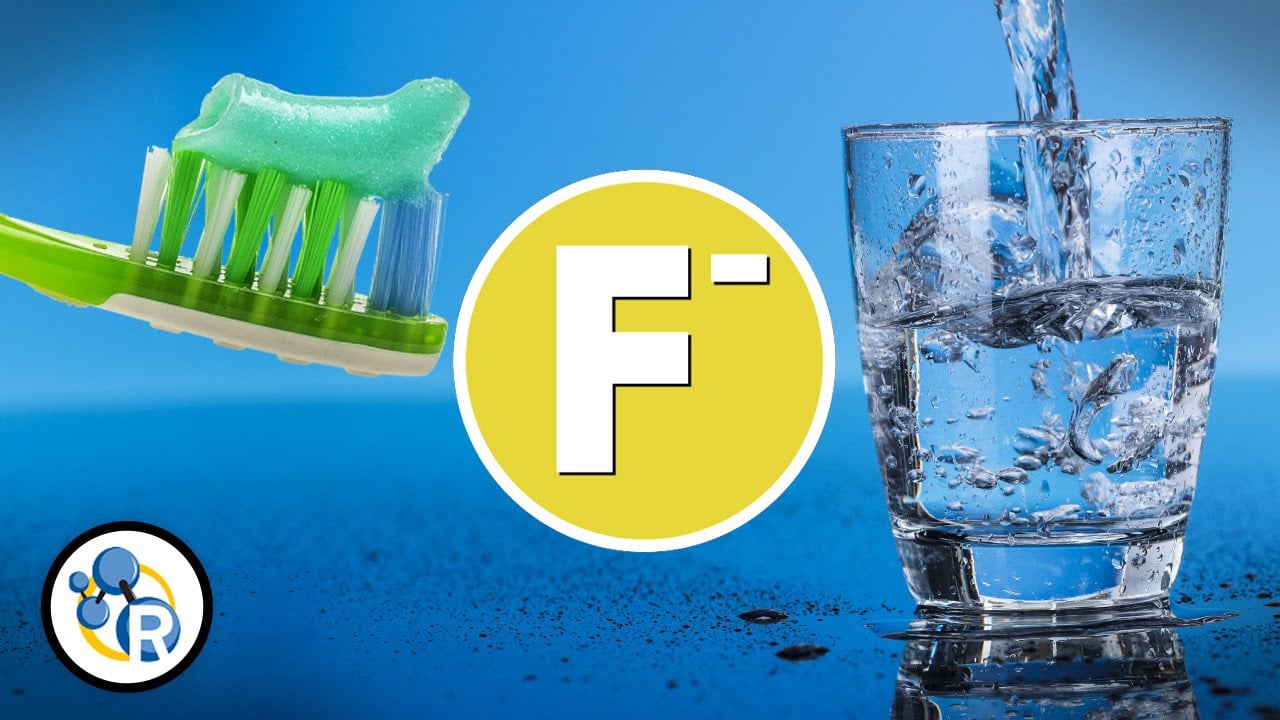
Most fluoride exposure is considered safe — but too much over time can raise health risks. So where do the experts draw the line?
🔢 EPA Guidelines:
- The maximum legal limit for fluoride in public water systems is 4.0 mg/L.
- But the non-enforceable health guideline is 2.0 mg/L, to help avoid dental fluorosis in children.
👶 Special Note for Families:
If fluoride levels fall between 2.0 and 4.0 mg/L, the EPA recommends using a different water source for children under 9 years old, who are more vulnerable to overexposure.
🧠 Why the Two Numbers?
The higher limit is based on long-term health risk, while the lower one is meant to prevent more cosmetic or developmental effects, like white spots on teeth.
💡 Pro Tip: If you’re on a well, there’s no automatic regulation — so testing is the only way to know your actual fluoride levels.
🧪 How to Test Your Water for Fluoride
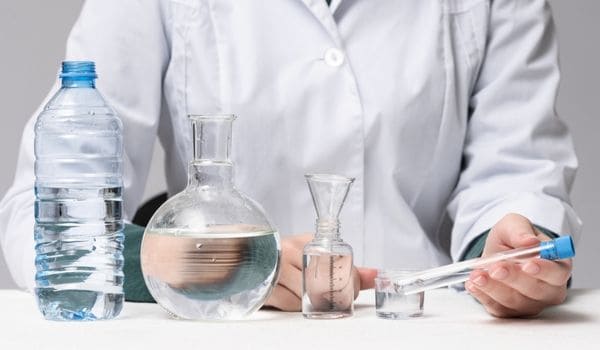
If you’re on city water, your Consumer Confidence Report (CCR) usually includes fluoride levels. But if you use well water — or just want to double-check — here are the main ways to test for fluoride at home.
💡 Good to know: Fluoride levels in tap water can fluctuate throughout the year, especially in areas with older infrastructure or water treatment inconsistencies. If you’re testing at home, try checking during different seasons or after big weather events — it gives a more accurate long-term picture of what you’re drinking
| 🧪 Test Method | 🔍 How It Works |
|---|---|
| 📱 Fluoride Meter | Fast and precise — dip the probe into a water sample and get a digital parts-per-million reading. Best for pros or serious DIYers (but pricey). |
| 💧 Liquid Reagent Kit | Add a few drops to your sample and compare it to a color chart. Simple and inexpensive, but requires a steady hand and good lighting. |
| 🎨 Color Disk Kit | Uses a wheel and viewing box for more accurate results than liquid kits. Great middle ground for precision and price. |
| 📏 Test Strips | Just dip and compare. Not as accurate, but good for casual monitoring or testing filter performance over time. |
| 🧪 Lab Testing (Recommended) | Send a sample to a certified lab for detailed results. We suggest [Tap Score](https://qualitywaterlab.com/water-testing/) — it checks fluoride plus dozens of other contaminants with reliable accuracy. |
👉 Pro Tip: Lab testing is the most dependable option — especially if you’re considering a filtration upgrade or want peace of mind about your drinking water.
🧴Water Filters That Remove Fluoride

If your fluoride levels are higher than you’d like — whether naturally occurring or added at the treatment plant — a good filter can make all the difference. Here are the top contenders:
| 🧠 Filter Type | What It Does |
|---|---|
| 🚰 Reverse Osmosis (RO) | Removes up to 99% of fluoride, plus other contaminants like lead, arsenic, and nitrates. Great for drinking and cooking water. Most common as under-sink systems. |
| 💎 Activated Alumina | Ideal for whole-house setups. Made from aluminum oxide, it’s excellent at removing fluoride, arsenic, and hydrogen sulfide. High capacity with low maintenance. |
| 🐄 Bone Char | Uses carbonized animal bone to filter out 90–95% of fluoride. Also helps reduce chlorine, lead, and some heavy metals. Available in countertop and whole-house systems. |
💡 Quick Tip: Not all filters are created equal. Look for NSF/ANSI Standard 53 or 58 certification — it ensures the product has been tested for fluoride reduction. Here’s what that means in detail: What Is NSF Certified?
👉 Think you need a Whole-house filter: See these top options.
🧠 Final Thoughts
Fluoride in drinking water walks a fine line — helpful in small amounts, but potentially risky in excess. And since levels vary from place to place, it’s worth keeping tabs on what’s actually coming out of your tap.
The good news? Testing is easy, and if you do find elevated levels, there are solid filtration options that can dial it back without overcomplicating your setup.
💡 Bottom line: when it comes to your water, a little knowledge goes a long way — and gives you the power to make healthier choices at home.