

If your water softener has been quietly keeping your pipes, fixtures, and appliances in great shape — it deserves a little love back. 🛠️
Over time, minerals, iron, and even bacteria can build up inside the system, slowly chipping away at its performance. Left unchecked, you might start seeing hard water spots again… or worse, expensive repairs.
The good news?
Cleaning your water softener isn’t hard — regular maintenance can add years to its life — while keeping your water soft, silky, and safe.
Here’s how to do it right — without overcomplicating it.
🧠 Quick Takeaways
- ✅ Regular cleaning keeps your softener working efficiently and extends its lifespan.
- ✅ Signs you need a cleaning: cloudy water, salty taste, reduced softness, salt bridges.
- ✅ Resin beds and brine tanks should be cleaned separately for best results.
- ✅ Specialized resin cleaners (like Rust Out or ResCare) help remove iron buildup.
- ✅ If in doubt — or if you spot bigger issues — professional servicing is a smart move.
🛡️ Why Regular Maintenance Matters

Think of your water softener like the silent MVP of your home. It quietly prevents scale buildup, protects your pipes, keeps your dishes spotless, and even helps your laundry come out softer.
But if you don’t show it a little love once in a while?
- ✅ It can lose efficiency.
- ✅ Hardness minerals (like calcium and magnesium) can start clogging things up.
- ✅ Your system can even become a cozy home for bacteria and funky odors. 🤢
Neglect leads to slowdowns you will notice — like soap not lathering, cloudy dishes, or that crusty white buildup creeping back onto faucets.
💬 Good to Know: Regular maintenance isn’t just about fixing problems — it prevents them, extends the life of your system, and saves you from expensive repairs later.
🔍 Early Warning Signs Your Water Softener Needs Attention
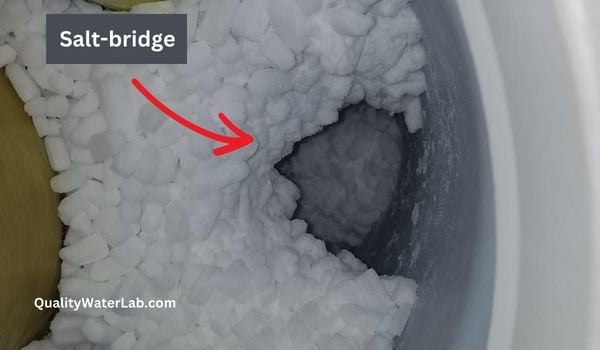
Your water softener usually runs quietly in the background — but it will give you clues when something’s wrong. Here’s what to watch for:
- ✅ Off-Tasting Water: If your water starts tasting salty, metallic, or just off, it’s often a sign the resin bed needs a deep clean.
- ✅ Cloudy or Spotty Dishes: Seeing white spots on dishes and glasses again? Your softener may be clogged with mineral buildup and needs a refresh.
- ✅ Using More Salt Than Usual: If you’re constantly refilling the salt tank, it might mean your system is struggling to regenerate properly.
- ✅ Hard Water Symptoms Return: Dry skin, dingy laundry, and limescale on faucets are all red flags that softened water isn’t flowing like it should.
- ✅ Odd Noises: Gurgling, clanking, or running sounds during regeneration could signal stuck valves or clogged resin beads.
💬 Good to Know: Catching these symptoms early can save you hundreds in repairs or even prevent premature system failure. A little maintenance now keeps everything running smooth later. 🧼💧 If it’s time for an upgrade – check out these.
🧽 How to Clean Your Water Softener

Keeping your water softener clean is key to — protecting its performance and your home’s water quality. It’s easier than you think — a little regular attention goes a long way. Here’s your simple, step-by-step game plan:
| Step | What To Do |
|---|---|
| 🛑 Shut Off Water | Turn off the water supply to your softener to avoid leaks during cleaning. |
| 🔁 Bypass the System | Engage the bypass valve if available to direct water away from the unit. |
| 🚿 Drain Excess Water | Open drain valves or use a pump to empty standing water from tanks. |
| 🧂 Remove Salt & Buildup | Scoop out old salt and clear any crusted debris from the brine tank. |
| 🧴 Clean the Brine Tank | Wipe the inside with a vinegar and warm water solution to sanitize. |
| 🧪 Clean the Resin Tank | Use diluted hydrogen peroxide or a resin cleaner to flush impurities. |
| 🔄 Run a Regeneration Cycle | Manually trigger a regen cycle to deep clean the resin bed and flush the system. |
| 🚰 Flush and Refill | Rinse the tanks thoroughly, refill with fresh salt, and restore water flow. |
| ✅ Final Test | Test water hardness and check for leaks to confirm everything’s running smooth. |
💬 Good to Know: A simple clean-out every 3–6 months prevents hidden buildup, keeps your softener regenerating properly, and extends the life of your system by years. It’s cheaper (and easier) than repairing or replacing a clogged unit later! 👍
🛠️ Post-Cleaning Maintenance & Care
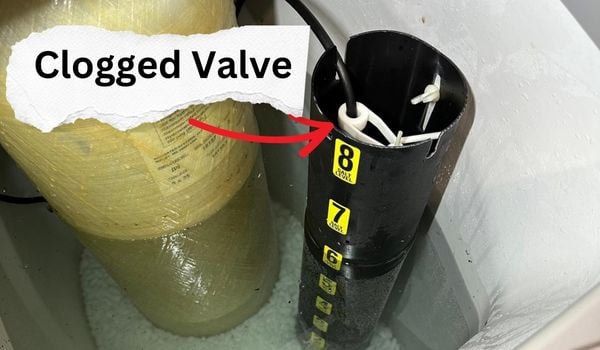
Congrats — your softener’s clean! 🧼 But regular checkups are key to keeping it running like a champ long-term. Here’s the simple maintenance game plan to follow:
| Task | Maintenance Tip |
|---|---|
| 🧂 Check Salt Levels | Inspect monthly and top off as needed — never let the salt get too low or too high. |
| 🔍 Inspect for Buildup | Look for salt bridges, sludge, or resin residue every few months and clean if needed. |
| 🧪 Resin Bed Refresh | Use a resin cleaner (like Res Care) every 6–12 months to maintain peak softening power. |
| 🧹 Clean Brine Tank | Sanitize the tank once a year with vinegar or approved sanitizers to prevent bacteria growth. |
| 📅 Set a Reminder | Mark your calendar or use a smartphone reminder for regular cleanings and salt checks. |
| 👨🔧 Professional Check | Get a pro inspection every few years to spot hidden wear and extend your system’s lifespan. |
💬 Good to Know: Just a few minutes of easy maintenance can save you from expensive repairs (or total system failure) down the line. Stay ahead of problems — your water, your appliances, and your wallet will thank you. 💧
👨🔧 When to Call a Pro
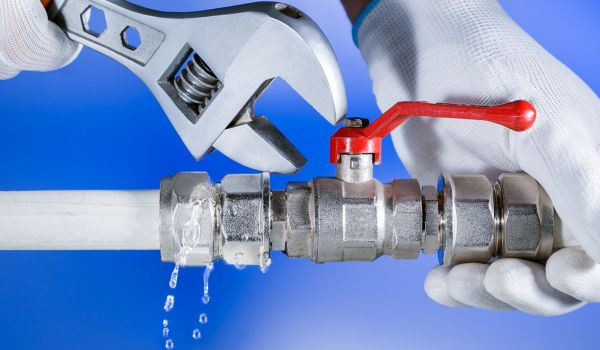
DIY cleaning covers 90% of basic softener maintenance — but sometimes you need a little backup. Here’s when it’s smarter (and safer) to bring in a professional:
| Situation | Why Call a Pro? |
|---|---|
| ⚙️ Complex Repairs Needed | Leaky valves, damaged resin tanks, or electrical issues need expert hands to avoid bigger damage. |
| 📄 Warranty Still Active | DIY repairs might void your warranty — professional service keeps coverage intact. |
| 🧪 Ongoing Water Quality Problems | If your water still feels hard or looks cloudy after maintenance, deeper diagnostics are needed. |
| ⏳ No Time or Not Comfortable | If DIY isn’t your thing (or you’re slammed with work and life), pros can save you time and headaches. |
| 🏆 Annual Professional Tune-Up | Some homeowners schedule a yearly softener checkup, just like HVAC service — it can catch small problems early. |
💬 Good to Know: A quick service call now could save you thousands later. Plus, many water treatment pros offer a full cleaning, performance tune-up, and water testing bundled into one visit. 👌
🧼 Final Thoughts
Your water softener is like the quiet hero of your home’s plumbing system — working behind the scenes to protect your pipes, your appliances, and your skin. 🦸♂️💧
Regular cleaning and simple checkups make a massive difference. Whether it’s flushing out salt bridges, treating resin beds with Res Care cleaner, or just topping off your salt tank, these small habits keep your system running strong.
And if you’re ever in doubt?
Testing your water every year or two is the best way to catch hidden changes early. Here’s a look at some easy DIY water testing options if you want peace of mind without the hassle.
💬 Bottom line?
Take care of your water softener, and it’ll take care of you — delivering better-tasting, cleaner water for years to come. Cheers to easy maintenance and even better water! 🥂✨
 137 people found this helpful. Was this guide helpful to you?