

If your refrigerator has a water dispenser or ice maker, chances are it came with a built-in filter. But what happens when that filter expires — or you don’t feel like replacing it?
Good news: most modern fridges are designed to keep running just fine without one. But there are a few important things to know before pulling it out and calling it a day.
Let’s break down how refrigerator filters work, what bypass plugs actually do, and whether skipping the filter is a smart move.
✅ Quick Takeaways
- 🚫 Most fridges can run without a water filter — especially newer models with automatic bypass features.
- 🔁 Bypass plugs trick your fridge into thinking a filter is installed — they’re often included or easy to find.
- 💧 No filter means no protection — unfiltered water (and ice) could carry sediment or bad taste.
- 🧊 Ice makers and water dispensers may stop working if your model requires a bypass and it’s missing.
- 🧰 Always check your manual — some brands need a plug, while others switch to bypass mode automatically.
🔍 How Refrigerator Water Filters Actually Work
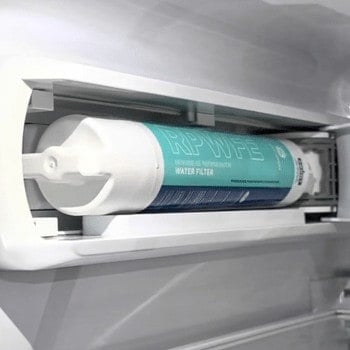
Modern refrigerators with dispensers typically include a small water filter inside — usually near the grille or tucked into the top corner.
Its job? To catch sediment, chlorine, and other particles before they reach your glass or ice bin.
These filters also help keep things running smoothly by reducing buildup that could affect performance.
💡 Over time, the filter collects gunk and needs replacing. If it’s left in too long, water flow may slow down — and it can even affect the ice maker or dispenser.
If you still prefer filtered water and need a replacement, here’s our guide for refrigerator water filters — with options for most major brands.
🧊 Do You Really Need a Filter Installed?

Most modern refrigerators are built to keep working whether a filter is installed or not. In fact, many come with a built-in bypass mode that kicks in automatically when no filter is detected.
So yes — your fridge can usually run just fine without one.
But here’s the trade-off: skipping the filter means any impurities in your water line can make their way into your dispenser or ice maker. That might not cause immediate issues, but over time, sediment or minerals could affect taste, flow rate, or internal parts.
💡 Bottom line: You can go filter-free — but if you care about water quality, a working filter is still your best line of defense.
🧩 What’s a Filter Bypass Plug?
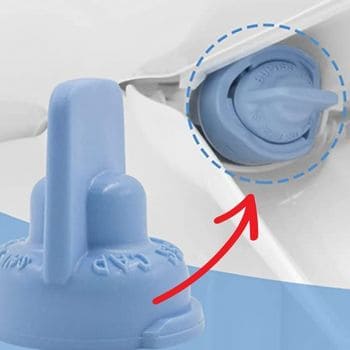
A filter bypass plug is a small insert that takes the place of your refrigerator’s water filter. Instead of filtering the water, it simply lets it flow straight through.
Most new refrigerators either:
- Come with a bypass plug in the box
- Have an automatic bypass built in — no extra part required
🧠 Why It Matters: If your fridge doesn’t detect a filter (or bypass), it may stop dispensing water or making ice entirely.
🧪 How to Tell If You Need a Bypass Plug
Not all refrigerators require a separate plug — some are smart enough to switch modes automatically when a filter is removed. Here’s how to figure it out:
✅ Quick Check:
- Remove your current water filter.
- Try dispensing water or ice.
- If it works — your fridge has an automatic bypass.
- If nothing comes out — you’ll need to install a bypass plug.
🧠 Pro Tip: If you’re unsure, check your owner’s manual or model number online. Manufacturers like Whirlpool, GE, Samsung, and LG often list whether your unit has an automatic bypass or needs a separate plug.
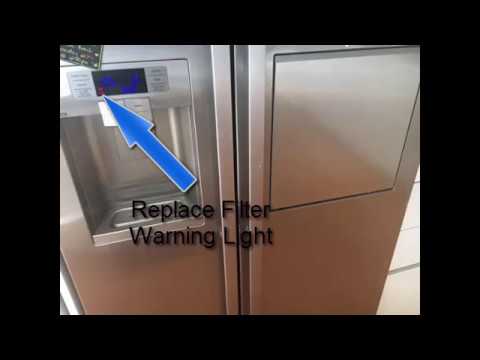
🔌 How Filter Bypass Plugs Work (and How to Use One)
If your fridge doesn’t need filtered water — or you’re between filter replacements — a bypass plug might be your answer. It tricks the fridge into thinking a filter is installed so water and ice keep flowing normally.
Here’s how to use one:
- 🧩 Locate the filter housing — usually inside the fridge or near the grille at the base
- 🔁 Insert the bypass plug where the filter normally goes
- 🚰 Reconnect your water line and turn the supply back on
- ✅ Test the water dispenser or ice maker to confirm it’s working
💡 Note: Some refrigerators have an automatic bypass mode, so you might not even need a plug. Remove the filter, test the water flow — if it still works, you’re good to go.
💡 Pro Tip: Not all filters are certified equally. If you decide to install one later, look for models that are NSF-certified to ensure they meet safety and performance standards for drinking water. NSF explains what their certifications mean here.
✅ Final Thoughts
Yes — your refrigerator can usually run just fine without a water filter installed. Whether your current filter is clogged, expired, or you’re simply not using the dispenser, most newer fridges are designed to keep working with a bypass in place.
But skipping the filter altogether has a tradeoff: your water and ice may carry unwanted sediment, taste issues, or even contaminants. If water quality matters to you, a proper filter is still worth keeping in the loop.
❓ Frequently Asked Questions

💭 What happens if I don’t change my refrigerator’s filter?
Over time, the filter can clog with debris and slow water flow — or worse, let impurities slip through.
🔌 Can I just remove the filter and keep using my fridge?
Yes, as long as your model has an auto-bypass or you use a bypass plug. Always check your manual first.
🧊 Does my ice maker need a filter to work?
Not always — but no filter means any taste or odor issues in your water could affect the ice too.
📦 What’s the difference between a bypass plug and a cartridge?
Plugs are reusable and built-in for many models. Cartridge-style bypasses are shaped like filters and often trick the fridge into thinking a filter is installed.
📘 Do fridges without a water dispenser have a filter?
Usually not — but some do offer optional inline filters you can install if needed.
 137 people found this helpful. Was this guide helpful to you?